

Krill Magazine nasce come rivista digitale gratuita, ma per continuare a esistere — e crescere — ha bisogno del tuo sostegno.
- 03. PAESAGGI
A Full-Time Job Called Exploration: A Conversation with Hassan Ragab
- Ursula De Gaspari
“You said your full-time job is to explore what you want to do.” That sentence stayed with me. In a time when creative identities are so often flattened into titles, portfolios, and productivity, Hassan Ragab chooses a different path — one guided not by output, but by inner necessity.
His work doesn’t follow a trajectory but a tension: between structure and freedom, heritage and speculation, technology and refusal. From architecture to computational design, from furniture to AI-generated imagery, his practice feels less like a career and more like an ongoing negotiation — with tools, with images, with meaning itself.
This is not simply about creating. It’s about remaining inside the questions. And building, through them, something that might one day resemble understanding.
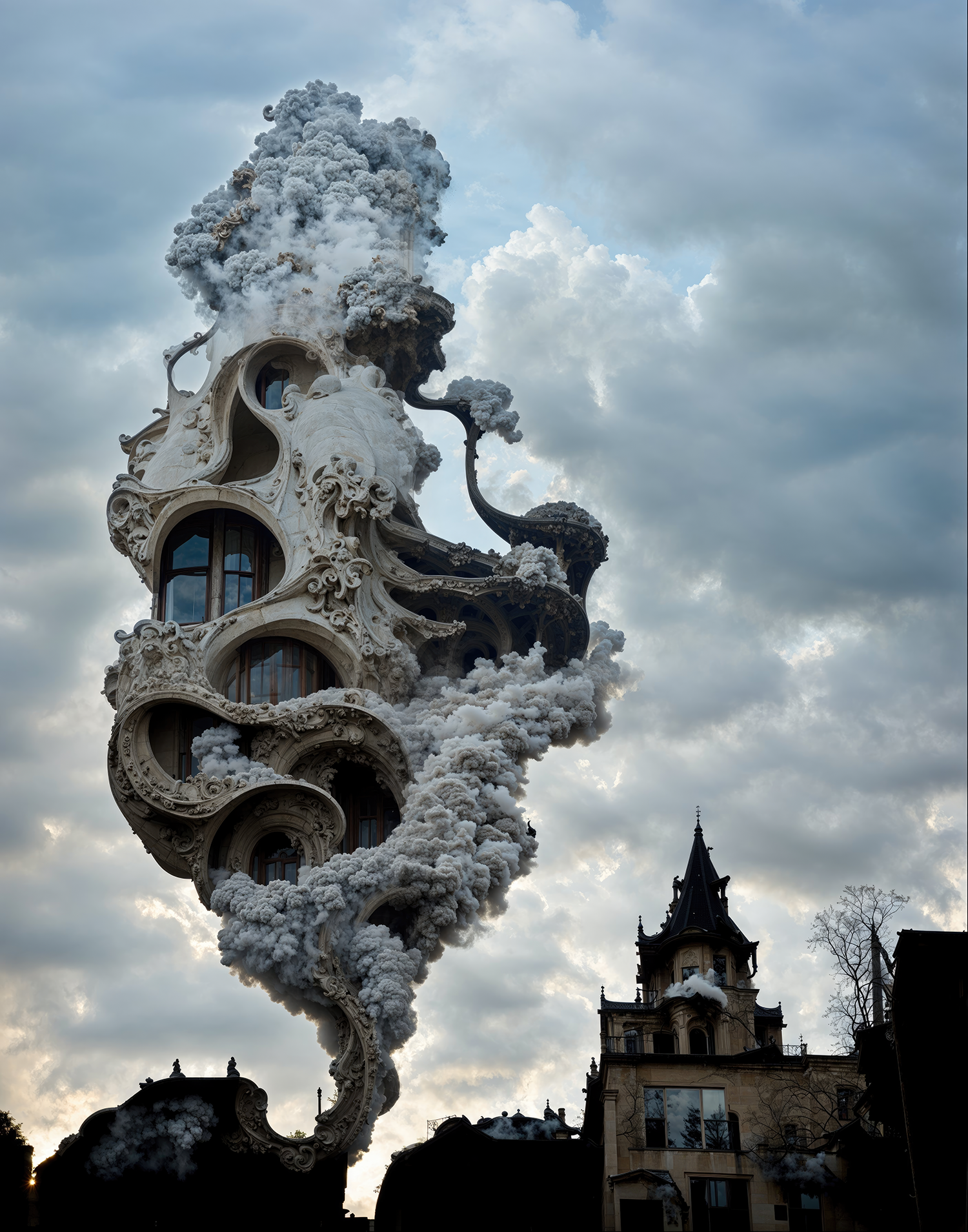
Your work dissolves labels and boundaries. If tomorrow we had to invent a new word for what you do — a word that doesn’t yet exist — what should it sound like?
I hope it would be a word in silence. I always feel like I talk too much. And as I grow older, I feel that silence might be the ultimate language
You said your full-time job is to explore what you want to do (love it). What happens when you meet someone doing the same — but in a language, toolset, or medium entirely alien to yours? How do you recognize kinship across unfamiliar codes?
I think in our own ways, we’re either looking for what we want to do — or we’re lingering near it. I tend to find that thread in almost anyone I talk to, and I usually carry something away from the conversation. Maybe that’s my answer: I don’t always recognize kinship clearly, but I feel it — in someone’s work, or in their quiet passion to find themselves.
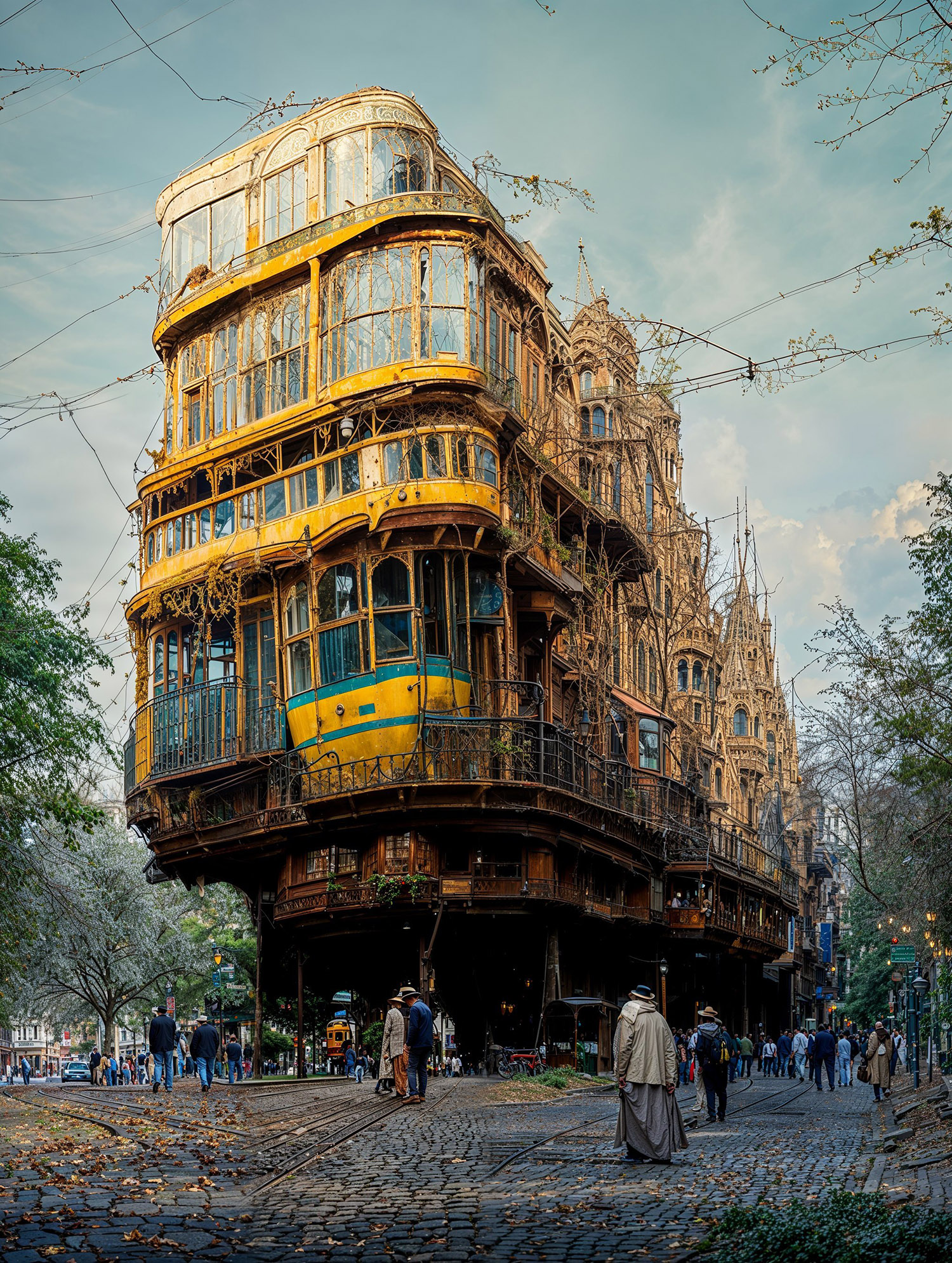
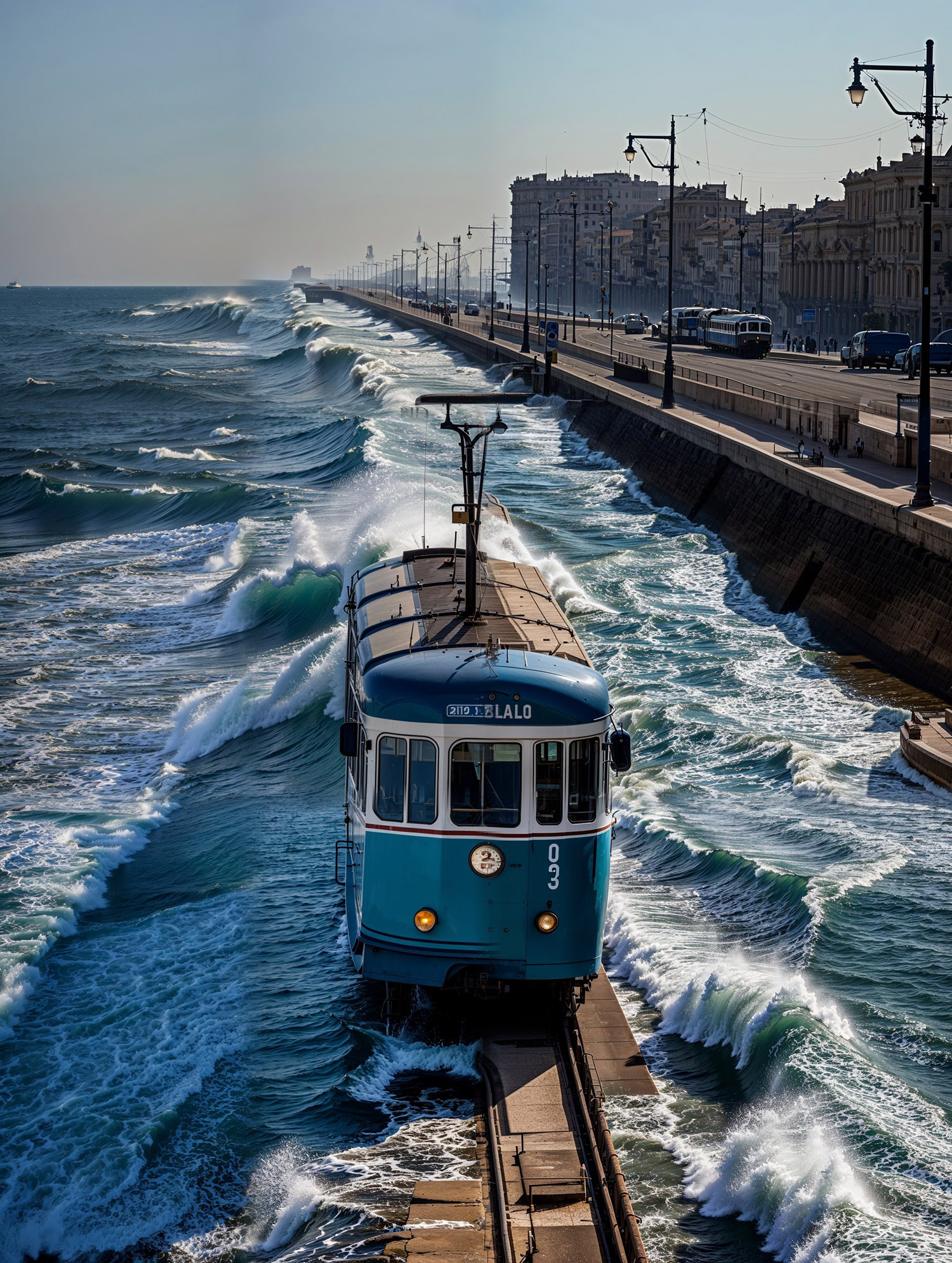
Do you think the role of the designer is shifting — from building objects to unbuilding narratives? What stories, in your view, are most urgent to dismantle right now?
Yes — or at least, it should. We’ve built too much on broken foundations: colonial aesthetics, standardized beauty, the myth of neutrality in design. Unbuilding doesn’t mean destruction; it means questioning what we’ve inherited, and whether it still holds. Sometimes the most radical thing a designer can do is choose not to build.
You’ve said that your early experiments with AI were less acts of creation than acts of challenge. When Midjourney failed to understand “Alexandria” and returned stereotyped images, you stayed — and pushed back. What did that act of resistance teach you about images, and perhaps about yourself?
It reminded me that images are never just images. They carry power, bias, laziness, and history. The AI didn’t fail — it reflected exactly what the world taught it. So the challenge wasn’t just against a tool; it was against the visual memory of a machine that had already forgotten me. That resistance made me more aware of how little is truly ours — and how important it is to reclaim it.
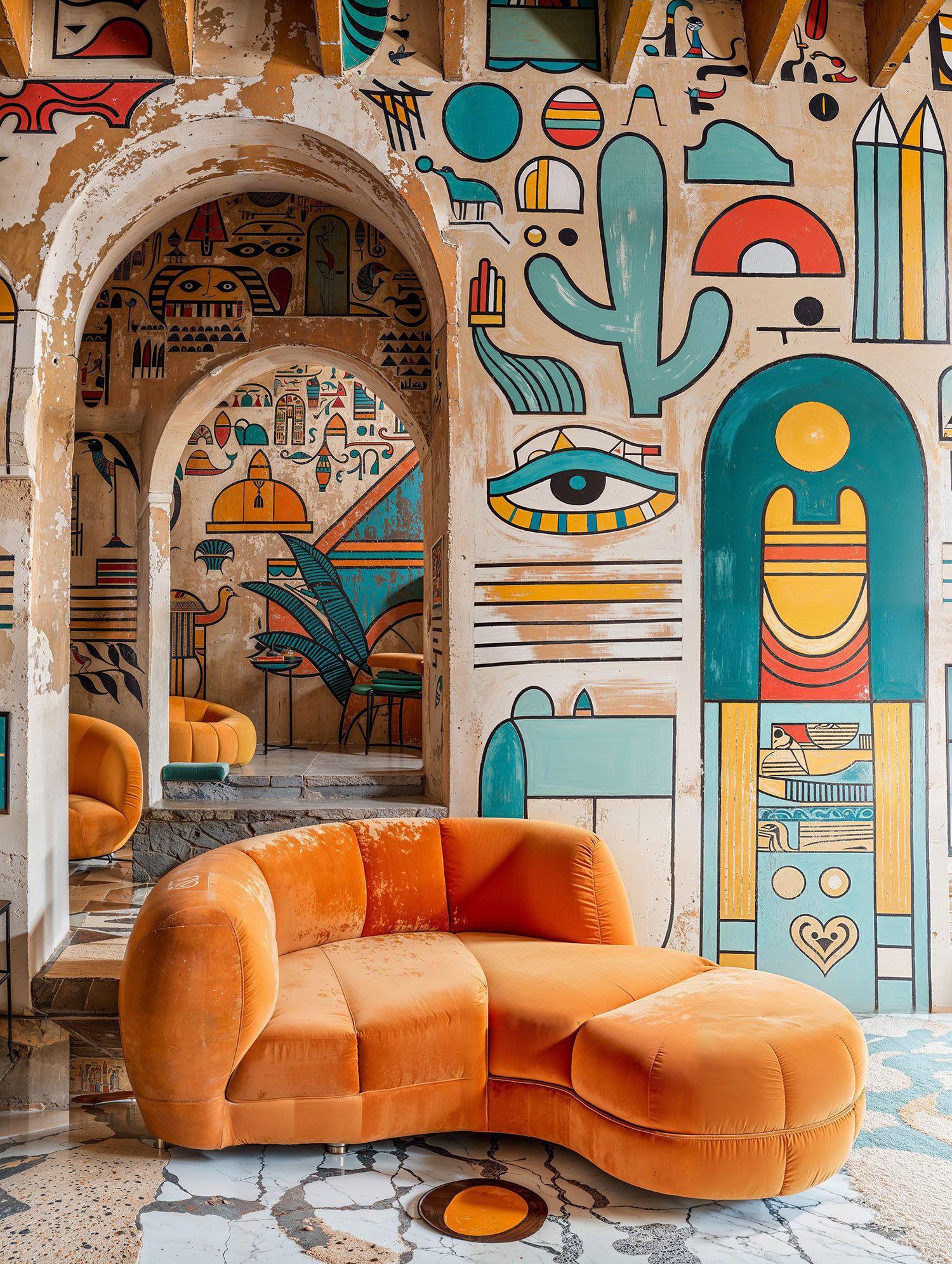
You often use the expression “making sense of the world.” Can you tell us about a moment when a piece of your work made the world feel coherent?
My understanding of the world is probably quite the opposite of coherent. But maybe, when I saw a particular image from The City is a Tram, I felt something. I don’t know what it was — but it was a great feeling.
As generative tools become ubiquitous, what do you think will remain rare? What will we still crave from human hands and human eyes?
It’s hard to tell. I’ve always valued authenticity above aesthetics or style, but maybe that’s not a shared instinct. What people collectively long for is shaped by forces far beyond me. And honestly, if I gave you a full answer, it might get a little too philosophical — or too dystopian — for anyone’s taste.
Your images live in a liminal zone between dream and memory, fiction and architecture. Is it conceivable that future buildings might be entirely speculative, inhabited only through story, simulation, or feeling? Would that still be architecture?
I think all architecture is speculative — it’s only extended through how people use it and live in it. That experience becomes a story. Architects build buildings, but their role usually ends before the story begins. That’s the part many designers forget. And that’s where the gap is — between the building and the life it holds.
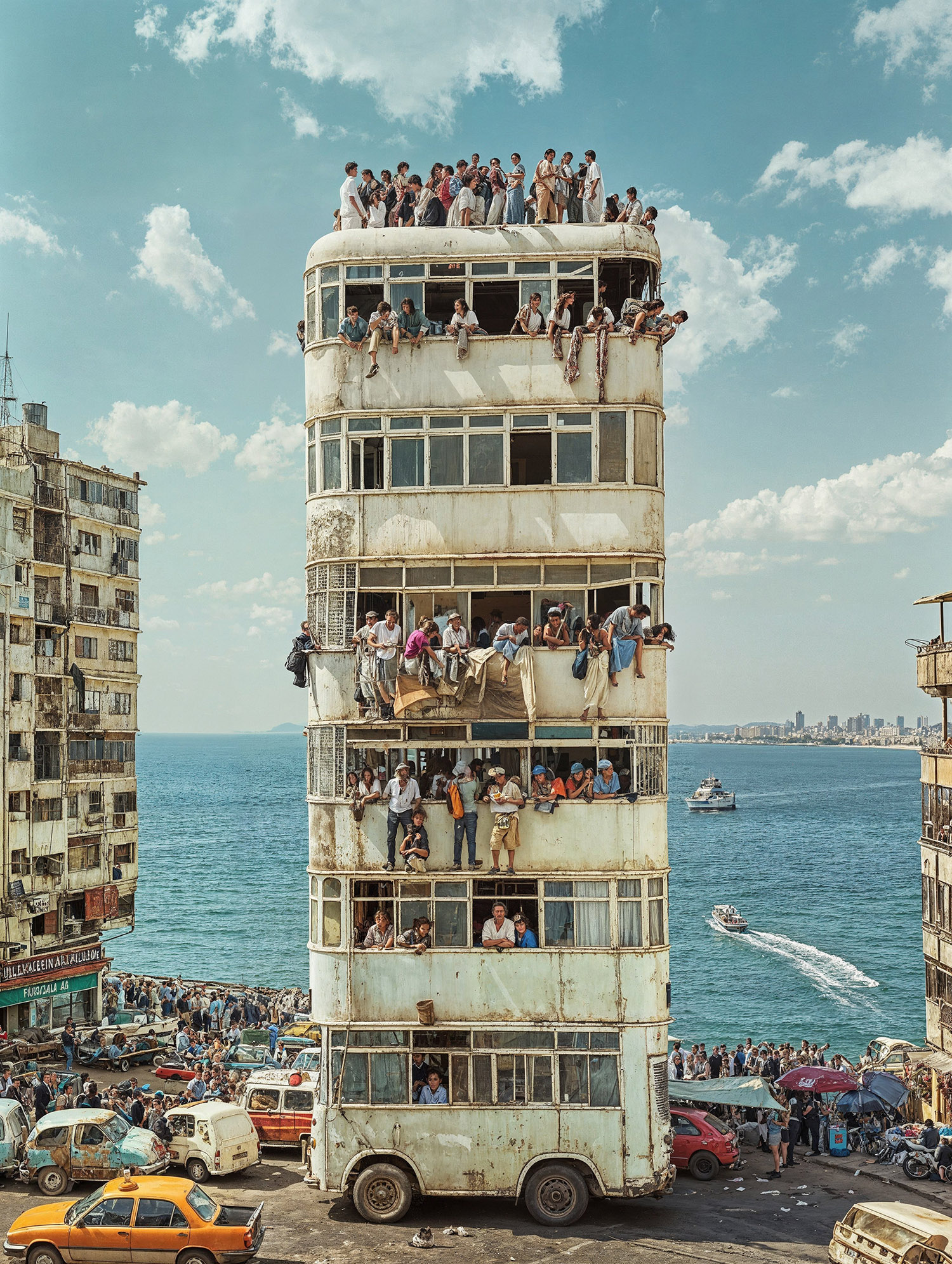
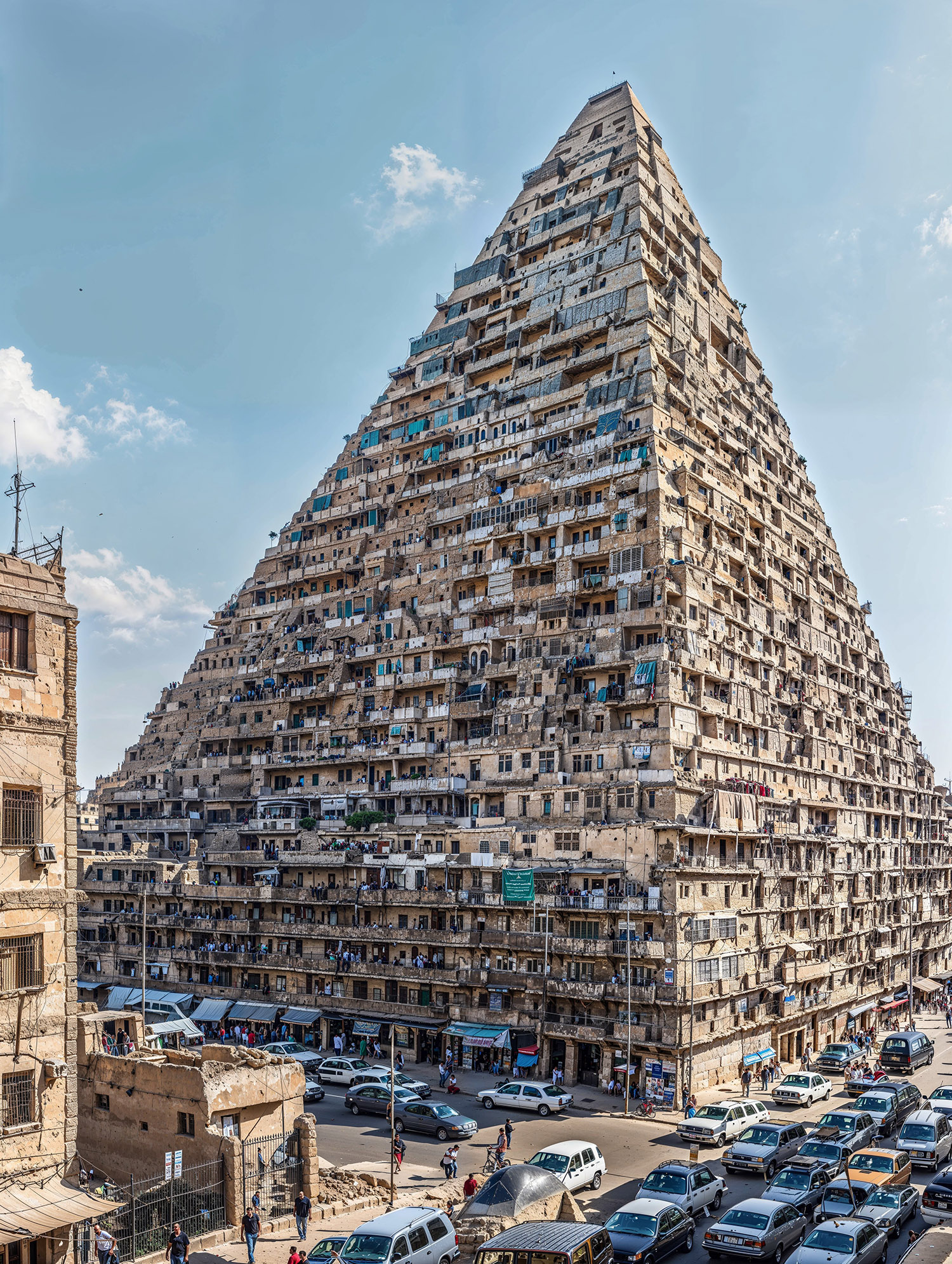
You say your work is about understanding yourself. If it were a mirror, what part of you has it revealed that surprised you?
It showed me my ego, my biases, my fears — and just how small I am in the world.
Thinking about future creatives, do you imagine them more as authors or as curators of possibility? And what kind of responsibility comes with that shift?
I don’t believe in creative authorities. I think creatives collect and mix ideas — they’re more like mediums than initiators. For me, responsibility lies in collective benefit and in authenticity. That’s the only thing that matters.
If someone someday used AI to simulate your vision — a “Hassan-mode” — what do you think would be missing?
Probably nothing. I don’t think my vision is that special. And honestly, I’d hope that person would use AI to create something more useful.
Ursula de Gaspari – Reporter, content creator e artista, cerco storie autentiche e modi nuovi per raccontarle. Mi appassionano i brand, le persone e le connessioni che si creano tra loro. Credo nella forza delle parole e delle immagini per dare voce ai cambiamenti del presente. Scrivo, osservo, creo contenuti editoriali e visivi capaci di emozionare, informare e ispirare. La bellezza, per me, è sempre parte della strategia.
KRILL MAGAZINE 03


Ricevi Krill Magazine via mail in anteprima
Lascia la tua mail per ricevere Krill Magazine in anterprima e per conoscere tutti i dettagli del progetto